
The Intro
I’ve been watching RAM prices climb for over a month now, and it’s getting hard to ignore.
DDR5 kits that cost $99 in March are now over $350. SSDs have almost tripled. I thought it was just typical market fluctuation, supply chain issues, tariffs, whatever. But the more I dig into it, the more it becomes clear. This isn’t a supply problem but a choice. The three companies that control memory production are getting into supplying data centers first and the regular consumer comes second.
And I think that’s the point. If you can’t afford to own a capable computer, you’ll rent one.
What’s Actually Happening
Three companies control over 93% of the world’s memory: Samsung, SK Hynix, and Micron. Everyone else like Corsair, G.Skill, Kingston just buys chips from these three and sticks their logo on it. This oligopoly has been called a “cartel” by prosecutors, and memory suppliers have been convicted of price fixing before. These days they’ve “fixed” that problem by discussing pricing publicly in earnings calls instead of behind closed doors.
In December 2025, Micron killed its consumer brand Crucial to focus entirely on AI data centers. Their statement was corporate-speak for “AI companies pay more, so goodbye.” Samsung has jacked up DDR5 contract prices by over 100% per unit. Even old DDR4 now costs almost the same as current-gen memory.
So, a 32GB DDR5 kit that cost $99 in March now goes for over $350. In some markets, prices have jumped by 650% since September. According to Tom’s Hardware, Team Group’s GM warned this is just the start of a “multiyear” crisis that will get worse in 2026.
However, this works really well for those three corporations. For example, Micron’s stock is up 190% this year. I don’t think they are struggling. They just don’t care about consumers anymore like me and you.
All these companies took billions in taxpayer subsidies under the CHIPS Act to build their factories. Now they’re telling those same taxpayers to get lost while shipping everything to OpenAI, Microsoft, and Google. OpenAI’s Stargate project alone is projected to consume up to 40% of global DRAM output. The companies behind the AI data centers are booking memory supply years in advance. Building new fabs takes three years minimum. Even if they decided today to care about consumers again, relief wouldn’t come until 2029.
The Real End Game
Here’s where it gets dark. As Gamers Nexus put it:
“If you want 128 gigabytes of RAM on a computer to run a calculation, but you can’t afford the 250% higher price, then good news, you’ll be able to rent it remotely for just some money every month forever.”
And further:
“What they can also do is continue processing your daily computing needs in those data centers while making the hardware impossible for you to buy because you can’t afford it, because they bought it all. That’s where I think this is going.”
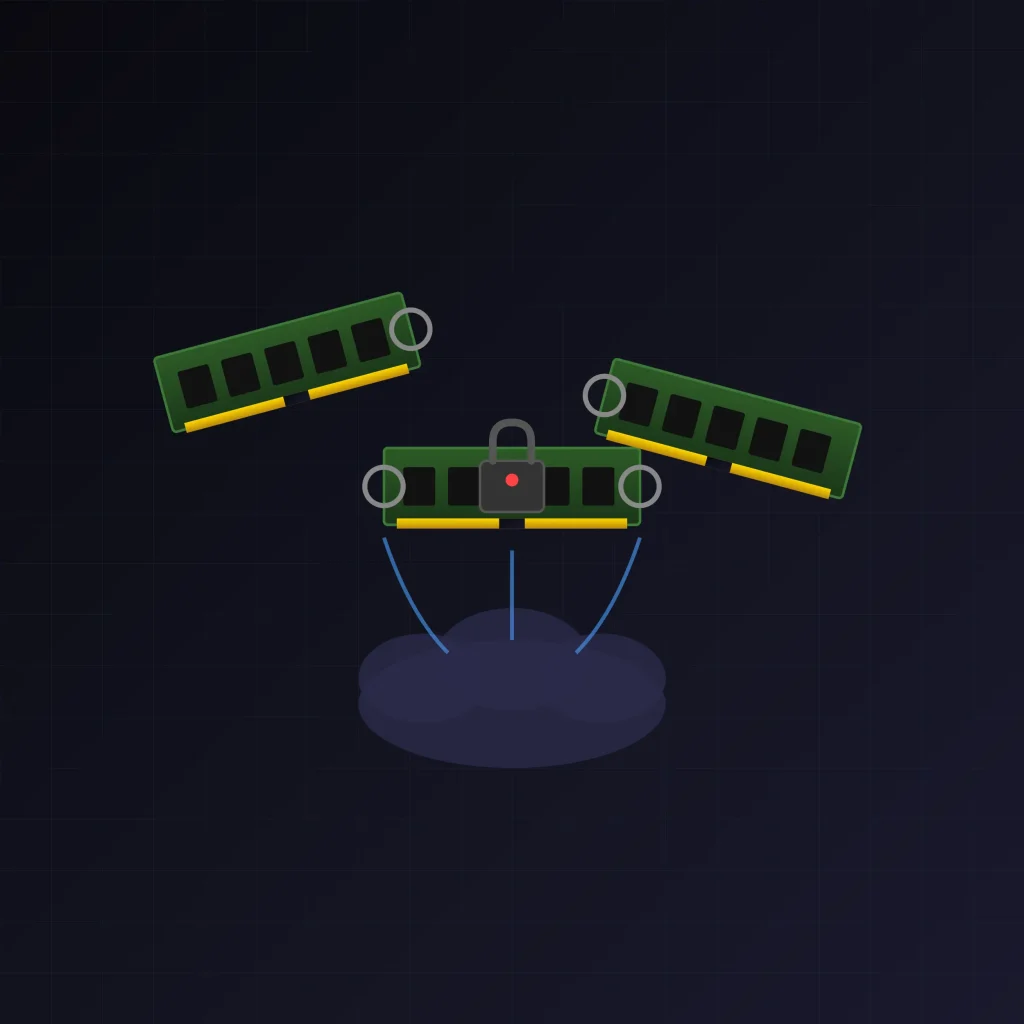
If RAM costs $2,000 instead of $200, how do you run demanding software? You don’t. At least not locally. Instead, you’ll pay monthly to access computing power in their data centers.
The hardware shortage makes this transition easy. All that memory they’re hoarding for AI infrastructure can also process your video editing, your 3D rendering, any of your work for a fee, every month, indefinitely. Your computer becomes just a terminal to access their network.
Cloud devices don’t need powerful hardware inside. Corporations hook you with low subscription prices, then jack them up once you’re dependent. A world relying on cloud computing is a privacy and control nightmare. But it’s incredibly profitable.
Signs of Resistance
There’s some pushback. Chinese manufacturer CXMT now produces 6% of global DRAM and just launched competitive DDR5 chips. According to VideoCardz, Chinese company ONDA released a $111 motherboard that uses cheaper DDR4 memory. And according to Overclocking.com, ASUS was reportedly planning to enter the RAM market by 2026 but the claim was denied by ASUS.
But these are small cracks in a massive wall.
What This Means for You
This isn’t just about PC builders or gamers. Memory is in your phone, your car, your fridge, your smartwatch. When memory prices double, everything with a chip gets more expensive or manufacturers quietly give you less RAM while keeping the price the same.
The democratization of computing where regular people could own powerful machines is collpasing. Unfortunately there’s too much corporate greed involved and maybe someone has a vision to make the personal computers in the cloud where people can rent their computers.
Personally, I’m set for the years to come owning all kinds of computers mostly latest-gen DDR5 builds. For work, my homelab, for a backup, for testing. Also, just recently secured some more DDR5 sticks for spare parts. But this doesn’t make me feel better knowing that RAM memory modules may become unavailable for the regular consumers very soon.